Contents
When a developer prepares the commercial launch of a development, in Casablanca, Tangier or elsewhere, the marketing budget is not unlimited. Choices have to be made. And between two 3D tools that seem close, it is easy to get it wrong.
This guide compares the two tools, without jargon, to help you decide based on your project, your clientele and your schedule.
The orbital model: seeing the project from every angle
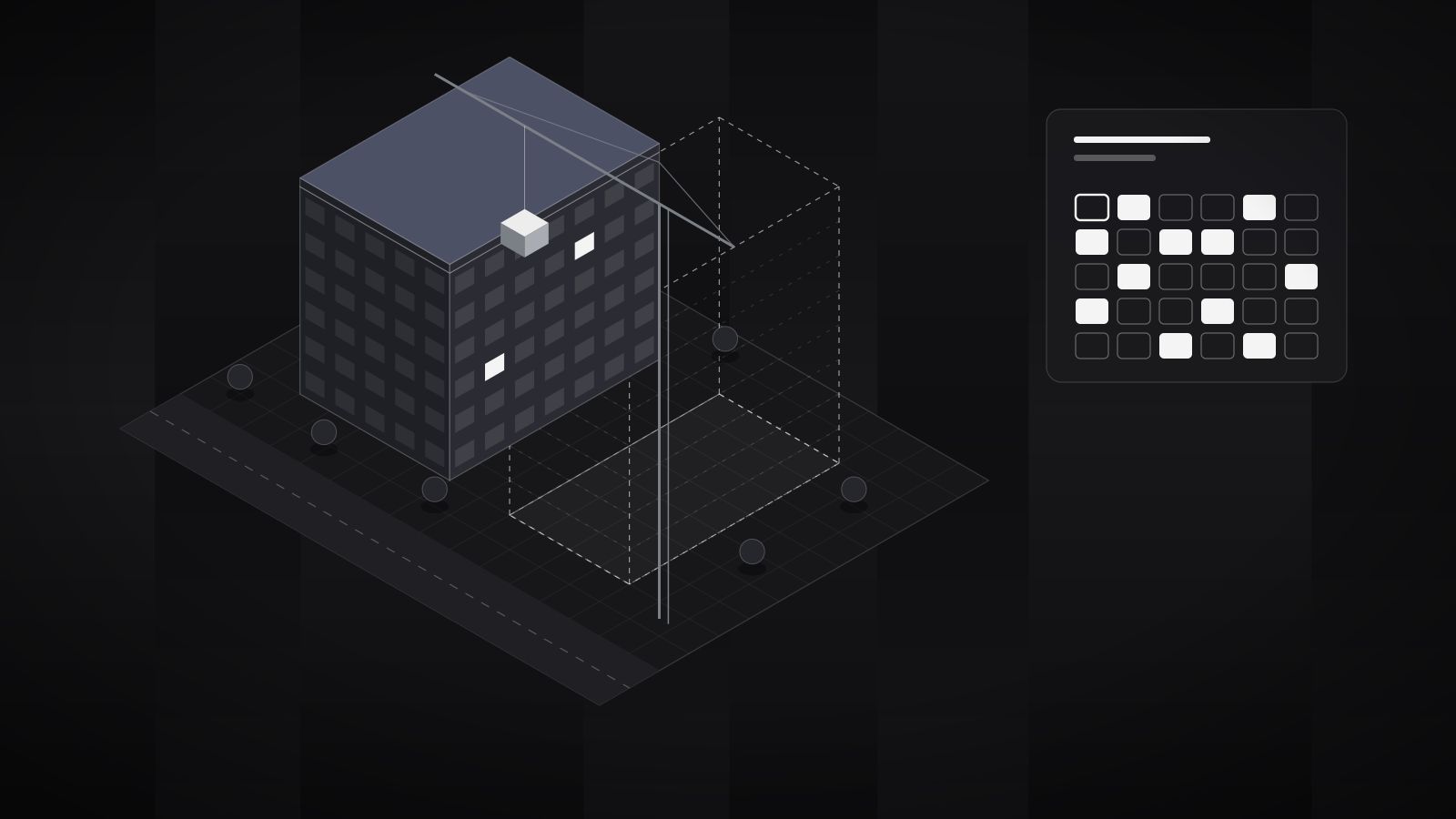
An orbital model is an interactive 3D model of the building or residence that you rotate 360° with a mouse or a finger. It is the digital version of the physical model placed in the middle of the sales office.
Its great advantage is making the project readable in a few seconds:
- the buyer sees the orientation of the buildings, the green spaces, the pool, the parking;
- they can click on a floor, then on an apartment, to see its plan, area and price;
- units already sold can be shown in a different color, which creates a natural sense of urgency;
- they immediately understand where “their” apartment is: sea side, garden side, corner unit, top floor.
The orbital model is particularly effective for large developments, gated residences, villa subdivisions and mixed-use projects with retail and offices. It is a better alternative to a physical model: it never gets damaged, it updates in a few clicks and it travels anywhere, from the sales office to a real estate fair abroad.
Virtual tour from plans: stepping into your future home
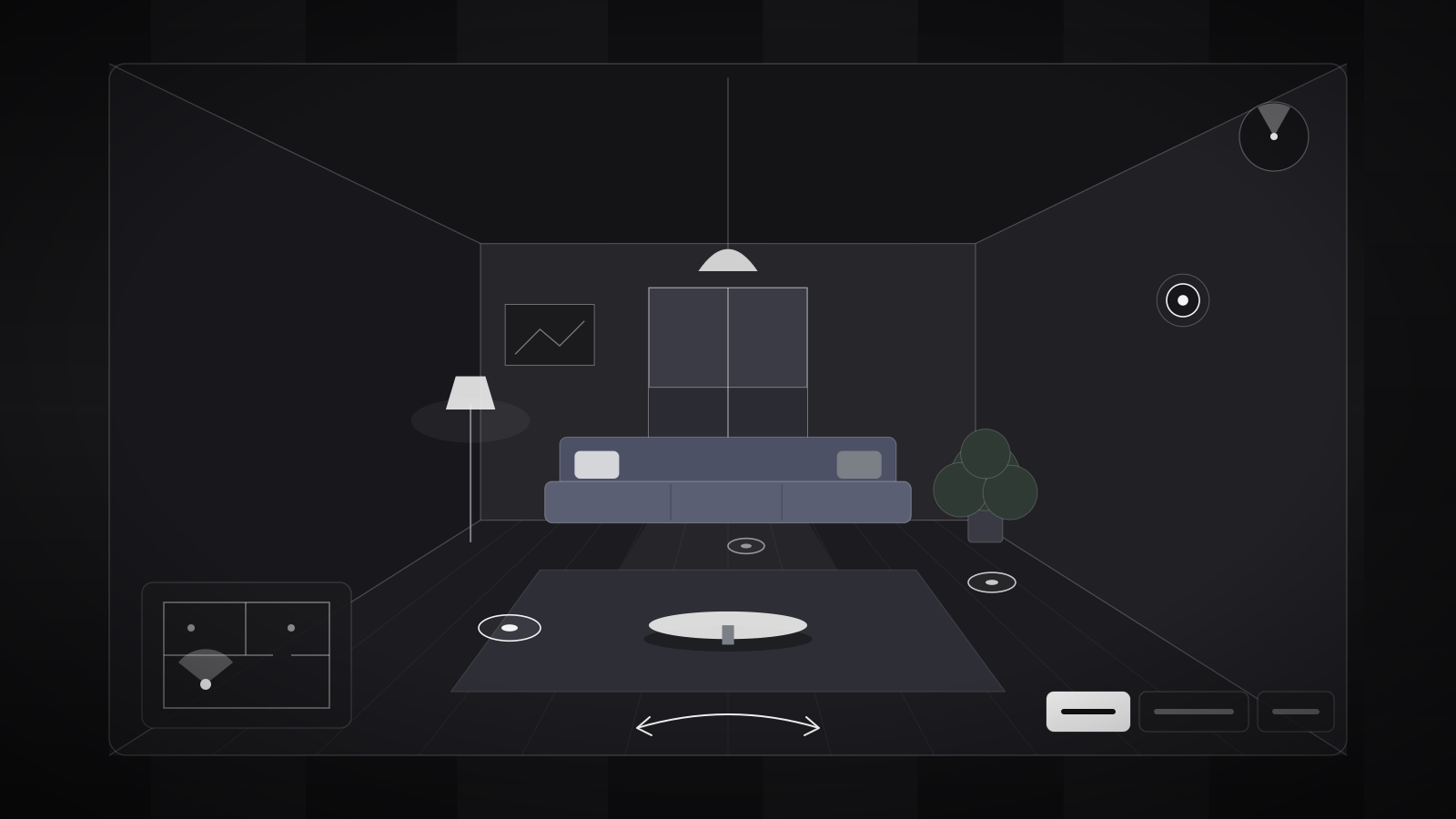
The virtual tour, on the other hand, takes place inside. The buyer moves from room to room, looks around in 360°, discovers the kitchen, the light in the living room and the view from the balcony. The home does not exist yet, but they feel like they are in it.
It is the tool of emotion. A 2D plan speaks to architects. A virtual tour speaks to a family imagining where to put the sofa, the children's bedroom or the big table for holiday meals.
It is particularly useful:
- for mid-range and high-end properties, where the finishes justify the price;
- for remote buyers (Moroccans abroad, expats, foreign investors), who cannot visit a show apartment;
- when the developer does not have the budget or time to build a physical show apartment;
- to present finish options (flooring, kitchen, bathroom) before the buyer signs.
To estimate the budget of a tour based on the number of unit types, see our guide on the price of a 360° virtual tour in Morocco.
The comparison at a glance
| Criterion | Orbital model | Virtual tour from plans |
|---|---|---|
| What you see | The whole project, from the outside | The interior of a home |
| Question it answers | “Which apartment should I choose?” | “Can I see myself living here?” |
| Stage in the buying journey | Discovery and choice of unit | Decision and reservation |
| Ideal for | Large programs, gated communities, subdivisions | Mid-range and high-end, remote buyers |
| Link with sales | Availability, prices and plans per unit | Finishes, ambiance, furniture |
| Update | Easy (units sold, prices) | Rare, once finishes are approved |
| Relative cost | Depends on the number of units and the level of interactivity | Depends on the number of unit types modeled |
In summary: the orbital model helps people understand, the virtual tour makes them dream. Both drive purchases, but not at the same moment.
Which tool to choose for your project
You are launching a residence of more than 50 units
Start with the orbital model. With that many units, the buyer first needs to get oriented and compare. Then add a virtual tour of the two or three best-selling unit types.
You sell villas or a small high-end building
Priority to the virtual tour. With few units, orientation matters less than the quality of the spaces. It is the atmosphere that makes the difference and justifies the price.
You mainly target clients abroad
For Moroccans living abroad (MRE), expats and international investors, the virtual tour is essential: it replaces the show-apartment visit they cannot make. A lightweight orbital model helps them place the project in its neighborhood.
You are preparing for a real estate fair
The orbital model on a large touchscreen catches the eye from afar and starts the conversation. A virtual reality headset with the tour then lets you close with the most interested prospects.
You have a mixed-use project (offices, retail, housing)
The orbital model is best suited to show how the different uses are organized and where the available floor plates are.
The winning duo: combining both
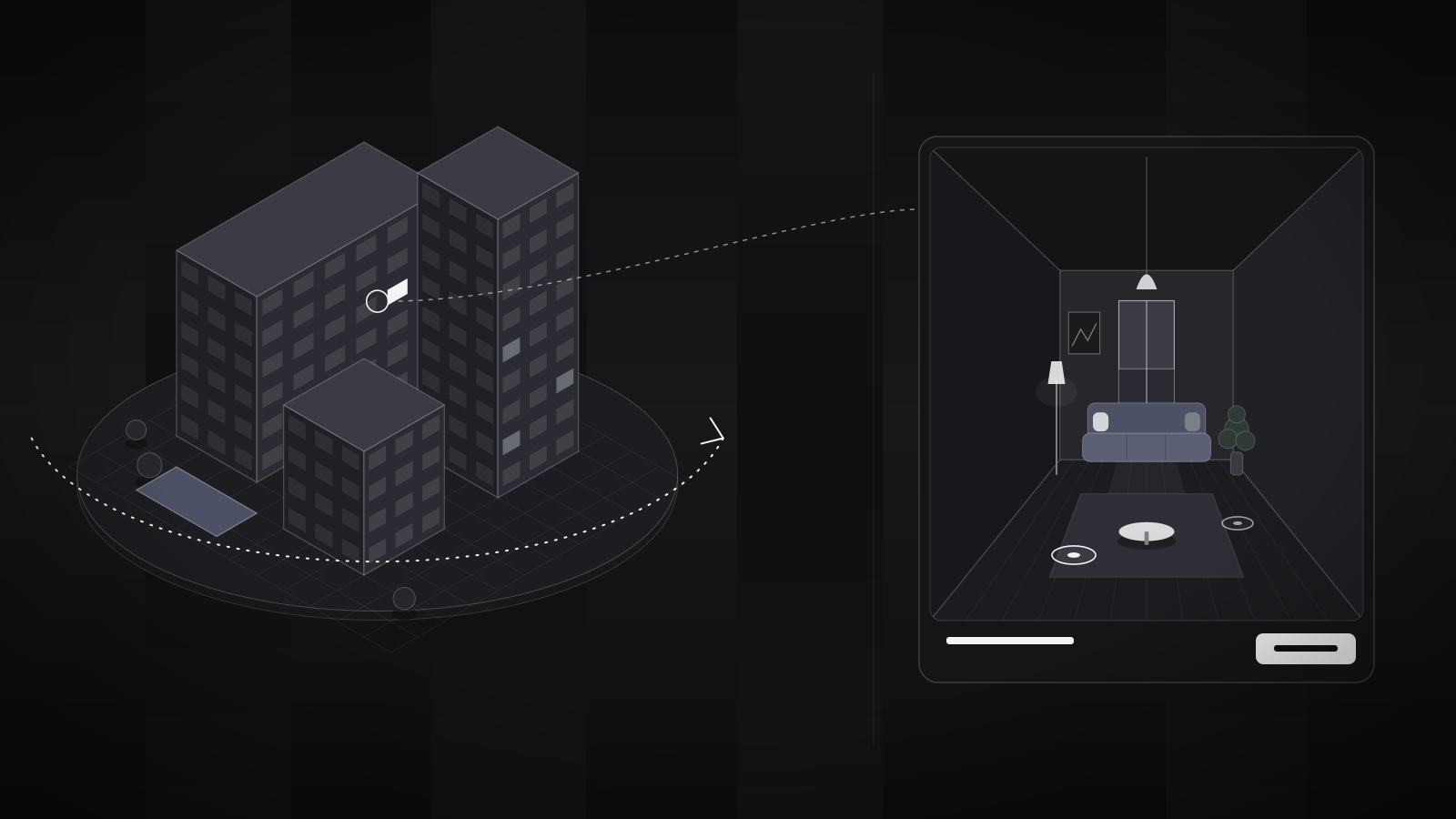
The best-selling projects often use both tools, linked together. The buyer walks around the residence, clicks on an available apartment, sees its plan and price, then goes straight into the virtual tour of that unit type.
This journey answers all their questions in the order they ask them: where? which one? what does it look like? how much?
This is the approach we offer at Grapheva: a single 3D model, turned into renders, an orbital model, a virtual tour, then integrated into your website and your CRM. For the full launch strategy, see our method for selling a program before construction.
Frequently asked questions
Can sold units be shown in real time on the orbital model?
Yes, if the model is linked to your availability list or your CRM. Otherwise, it can be updated manually at regular intervals.
How many unit types need to be modeled for the virtual tour?
Generally two to four: those that account for most of your sales, plus possibly an exceptional product (penthouse, duplex) that serves as a showcase.
Does an orbital model replace a physical model?
It can replace it to good advantage: it doesn't wear out, it updates in a few clicks and it travels anywhere, from the sales office to a real estate fair abroad.
Do these tools work on a phone?
Yes. Both open in a browser and are shared with a simple link, on WhatsApp, by email or on social media.
Do you work on projects outside Morocco?
Yes. Orbital models and virtual tours are produced remotely, from your plans, for projects anywhere in the world.
Can they be used before the building permit is obtained?
For communication, it is generally possible, as long as you are careful about what is shown and state that the images are non-contractual. Signing off-plan sales contracts is regulated by law: check the applicable rules with your legal counsel.
In summary
The orbital model helps the buyer choose a unit, the virtual tour helps them picture themselves living there. For a large development, start with the orbital model. For a high-end project or remote clients, start with the virtual tour. And if your budget allows, link the two.